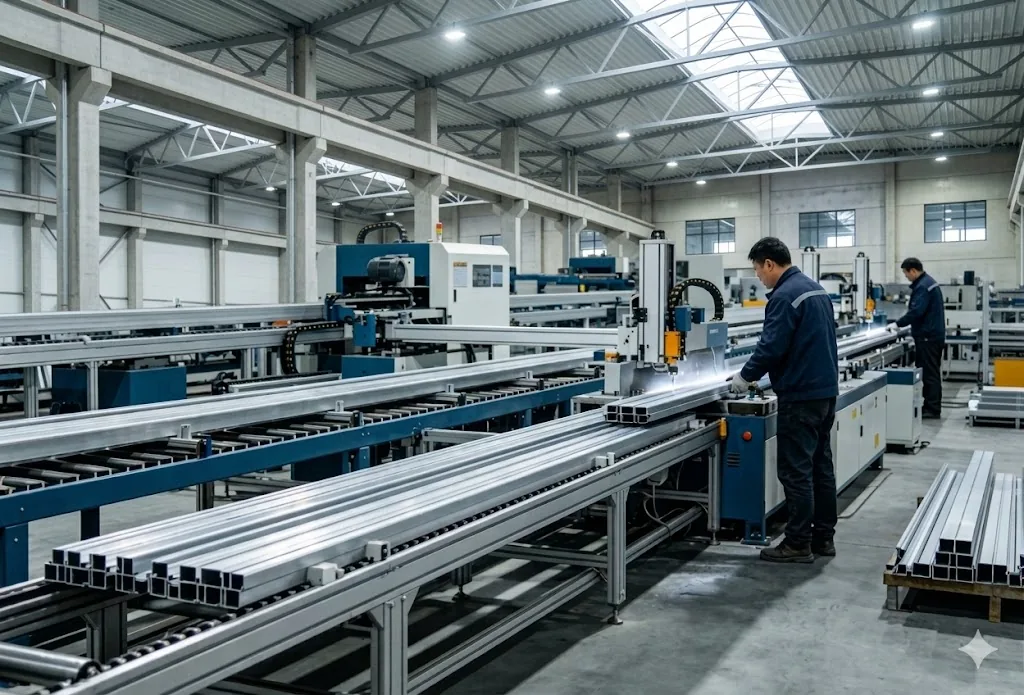
Barrier gate and boom barrier manufacturer
Boom barriers for parking lots, toll points and communities, from the DZ001-A to KS high-speed models.
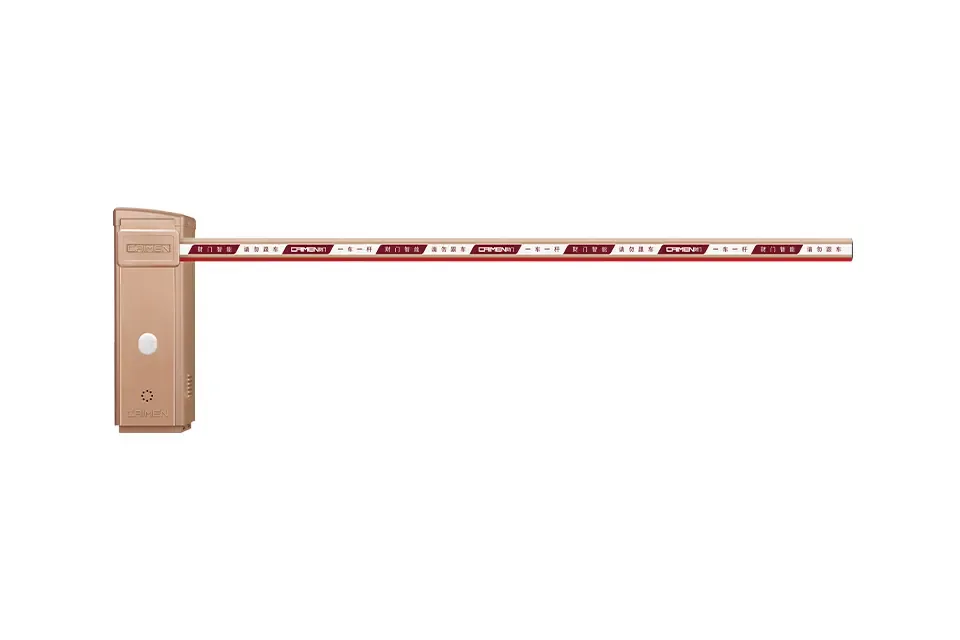
High-speed KS01 / KS02
Speed
1.2-2.5 s
Depending on rod length
Cabinet
330 x 260 x 1050 mm
1.5 mm carbon steel
Rod
≤ 4000 mm
Including cabinet
Drive
24 V DC
100 W motor
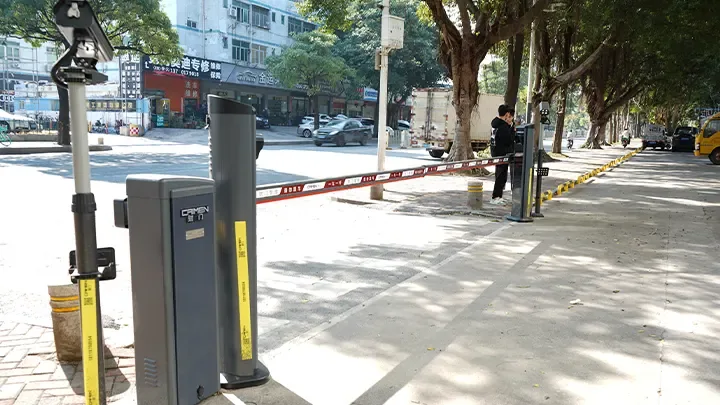
Built for daily traffic
Linear dynamic encoding controls the arm from start to stop, and in-place locking prevents drift. Rubber strips, ground radar and infrared can be added for obstruction protection, and a hand crank lifts the arm in a power cut.
Specifications
Values from CAIMEN product documentation. Drawings for your project confirm final sizes.
| Model | DZ001-A |
|---|---|
| Cabinet Size | 337*386*1080(L×W×H) |
| Operating Voltage | 24V |
| Rated Power | 160W |
| Motor power | 160-200W |
| Operating Temperature | -25~70℃ |
| Storage and Transportation Temperature | -30~75℃ |
| Operating Humidity | <90%, no condensation (under normal temperature) |
| Noise Requirements | <65dB |
| Standard Colors | CM-01 Gray, CM-18 champagne gold |
| Radar | Optional configuration |
| Cabinet Material | The main body of thecabinet is made of high strength carbon steel plate with a thickness of 1.5mm |
| Center Height of Gate Rod | 898mm (distance from gate lever shaft to cabinet bottom) |
| Optional Rod Type | Straight pole, fence pole |
| Fence Profile Specifications | Pole: 101x45x1.2mm, rodlet: 81×38.6×0.8mm |
| Rubber Strip | Optional configuration |
| IPX Grade | IPX4 |
| LED Strip Lights | Optional configuration |
Product views
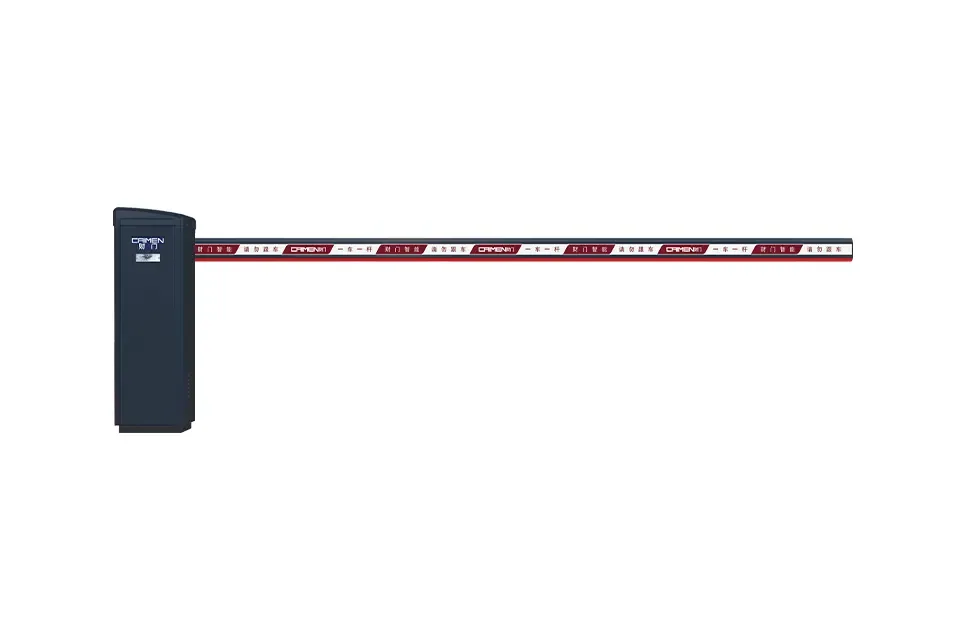
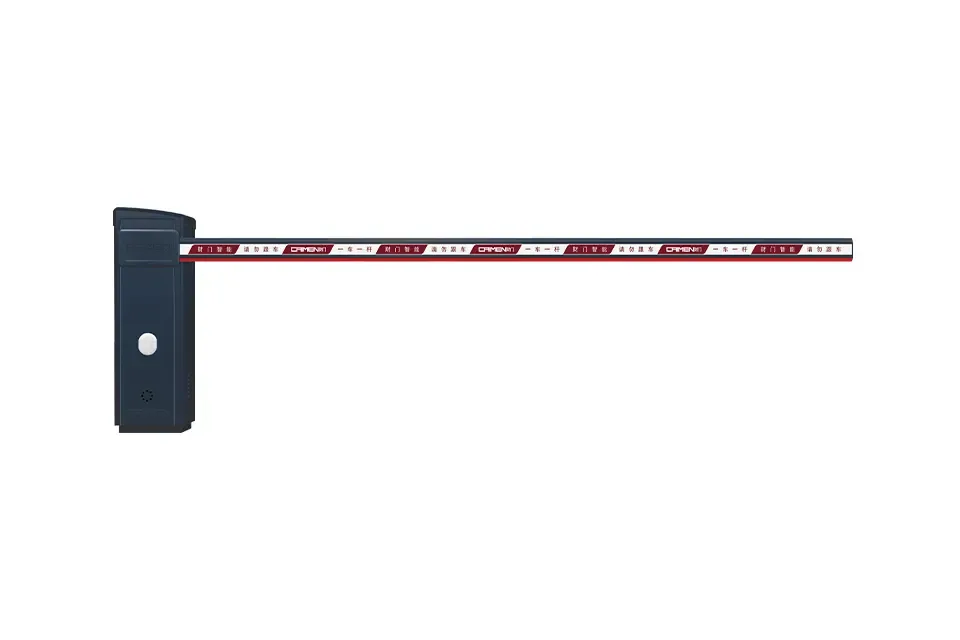
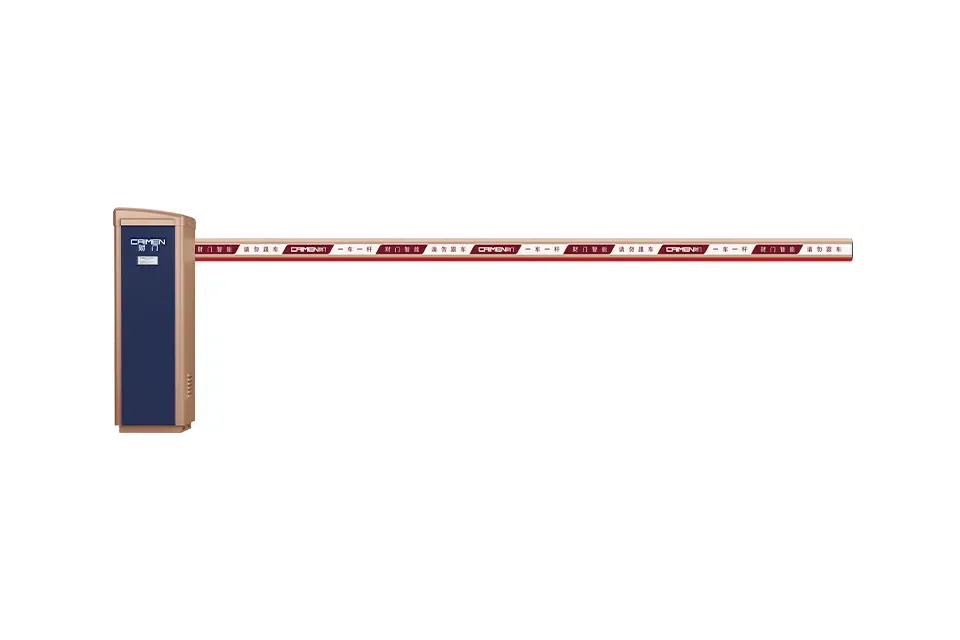
Overview
The CAIMEN Barrier Gate family covers three jobs at a vehicle entrance: a general-purpose boom barrier (DZ001-A), two high speed models for busy lanes (KS01 and KS02), and fence-arm barriers (DZ02, DZ04, DZ06 and DZ07) that also block anyone trying to walk or ride underneath. Every model with a published data sheet runs on 24 V and sits in a carbon steel cabinet finished with fluorocarbon powder coating, two coats and two bakings. CAIMEN is a Shenzhen-based manufacturer of gates and access control equipment, founded in 2013, supplying barrier gates to distributors, installers and project buyers worldwide.
Picking one is mostly about the lane. How wide is it? How many cars hit it at 8 a.m.? And does a gap under a straight pole matter on your site?
Most of the range can take commands from a license plate recognition camera, an RFID reader or a remote, so the barrier doesn't have to be the last thing you upgrade.
Key features
DZ001-A: precise, quiet boom control
The DZ001-A uses linear dynamic encoding to track the arm from start to finish, plus in-place position locking and initial position reset detection. So small errors don't pile up, and the pole lands where it should. Speed is stepless and set to your site. It's rated at 160 W, stays under 65 dB, and the cabinet is IPX4 with a sealed, dustproof body in 1.5 mm carbon steel plate.
KS01 and KS02: 1.2 to 2.5 seconds
Queues are expensive. The high speed models open or close in 1.2 to 2.5 seconds depending on rod length, with arms up to 4000 mm including the cabinet. A foam-covered rod with anti-collision reset takes the knock when a driver creeps forward early. KS02 is the quieter of the two, under 58 dB against under 65 dB for KS01.
Fence arms that close the gap underneath
A straight pole stops cars. It doesn't stop a scooter ducking under it. The fence models hang vertical bars below the top beam, so the lane is physically blocked, not just marked. DZ02 and DZ04 reach 4500 mm including the cabinet with a fence up to 0.95 m tall. DZ07 is the big one: arms up to 6000 mm, a maximum arm height of 1092 mm and a 110 x 105 x 1.8 mm top beam.
Safety options you choose per lane
On the DZ001-A, rubber strips, ground-sensing radar and infrared are optional add-ons for obstruction protection. An LED light tube can run along the lower edge of the pole for night warning, and DZ04 offers an LED strip on a time switch (on at night, off in the day).
Power cut? Lift it by hand
The DZ001-A has a handwheel at the base of the motor unit, so a guard can crank the pole up when the power is out.
Where it fits
Typical fits:
- Parking lots and garages, especially entry lanes with an LPR camera (see parking facilities)
- Toll-style lanes and community entrances where the morning rush backs up, a job for KS01 or KS02
- Factories and logistics parks where a fence arm keeps foot traffic out of the truck lane (see factory and logistics entrances)
- Sites that pair a barrier with a cantilever sliding gate for after-hours closure
One honest limit. A barrier arm controls traffic; it isn't a crash barrier. If you need to stop a vehicle that refuses to stop, look at the road blocker or automatic bollard instead. For finished entrances, browse our projects page.
How to specify it
Start with traffic, then width. Here's a quick way to narrow it down:
| Your lane | Look at | Why |
|---|---|---|
| Busy entry, cars arriving in waves | KS01 / KS02 | 1.2 to 2.5 s cycle, arm up to 4000 mm |
| Standard car park lane, mixed use | DZ001-A | Straight or fence pole, encoder control, hand crank |
| Lane people might duck under | DZ02 / DZ04 | Fence arm up to 4500 mm, 0.95 m tall |
| Wide truck or factory lane | DZ07 | Fence arm up to 6000 mm, 5 to 10 s cycle |
Need a compact fence model? Ask us for the DZ06 data sheet.
For a quote, send us:
- Clear lane width and the number of lanes
- Rough peak traffic (say, sixty cars between 7:30 and 8:30)
- Straight pole or fence arm, and whether pedestrians share the area
- How vehicles will be authorized: remote, RFID, LPR or a parking cloud system
- Optional items: radar, infrared, rubber strip, LED lighting
- Preferred color, for example CM-01 Gray or CM-18 champagne gold on the DZ001-A
On a US project, check local rules early. DASMA's technical data sheet on ANSI/UL 325 notes that vehicular barrier (arm) operators need entrapment protection, and that pedestrians should get their own entrance instead of walking through the vehicle lane. Our pedestrian access gate handles that side. Production typically takes 15 to 20 days after drawing approval. Reach us through the contact page or at [email protected].
Sources
Product figures come from CAIMEN product documentation.
CAIMEN Barrier Gate questions
What's the difference between the KS01 and KS02?
Both share a 330 x 260 x 1050 mm cabinet, 100 W motor, 24 V DC supply and 1.2 to 2.5 second cycle. KS01 comes in Deep Gray and runs under 65 dB. KS02 comes in Popcorn Silver and is quieter, under 58 dB, which helps near apartments or offices.
How long can a barrier arm be?
It depends on the model, and every figure below includes the cabinet. KS01 and KS02 take up to 4000 mm, DZ02 and DZ04 up to 4500 mm, and the DZ07 fence barrier up to 6000 mm. Wider lanes call for slower travel: DZ07 cycles in 5 to 10 seconds depending on arm length.
Can the barrier gate work with license plate recognition?
Yes. The DZ001-A links with license plate recognition and RFID, while KS01, KS02, DZ02 and DZ04 support cloud parking systems, plate recognition and remote control. Pair it with our license plate recognition cameras and the arm opens for registered vehicles without anyone pressing a button.
What happens if the power goes out?
On the DZ001-A, a handwheel at the base of the motor unit lets you crank the pole up by hand. For other models, ask us how manual release works on the configuration you're ordering.
Quote for Barrier gate
Send the size, quantity and destination port. We reply within 24 hours.
Or email [email protected]